Case study 06
Outpost Gallery
A retreat photo gallery with three ways to look, built with Figma and AI.
In short
- The problem
- Photo galleries have settled into the same grids and scroll patterns. They are efficient and familiar, but they rarely surprise, and a studio's retreat memories deserve more than a grid.
- The insight
- One gallery does not have to be one layout. A Tri-view system (Relaxed, Spatial and Grid) lets the same photographs be absorbed slowly, explored in depth, or browsed quickly.
- The outcome
- A working gallery for Outpost's four 2025 retreats, taken from low-fidelity Figma prototypes to a finished build by guiding AI tools with those prototypes and descriptive prompts.
Act I — Setup
Setup
This project was made using Figma and AI tools (Claude and v0).
The company
Outpost is a remote-first gaming studio rooted in curiosity, camaraderie, and creative freedom. From scattered time zones to shared virtual worlds, the team thrives on collaboration across distance.
Every quarter, Outpost gathers in person for a three-day retreat: an intentional pause to reconnect, reflect, and recharge. These retreats are filled with unforgettable moments: immersive workshops, late-night conversations, spontaneous laughter, and the kind of creative energy that only comes from being together.
Now, the studio is finding ways to capture and celebrate these moments, preserving the spirit of each retreat as part of Outpost’s evolving story.
Act II — Research
Research
Photo galleries are nothing new. Yet, after studying their design patterns, a clear trend emerges: repetition has replaced innovation.
Galleries have evolved over the years through platforms like Instagram, Pinterest, and similar apps. Most rely on predictable grid layouts, occasionally alternating with vertical or horizontal scroll patterns. While these formats are efficient and familiar, they rarely evoke surprise or delight. The experience is functional, but lacks the emotional impact, the “WOOOW!” factor that truly memorable interfaces deliver.
This observation sparked a deeper exploration into how gallery design can move beyond convention and invite users into something more immersive, expressive, and unexpected.
Personas
Read the two personas as text
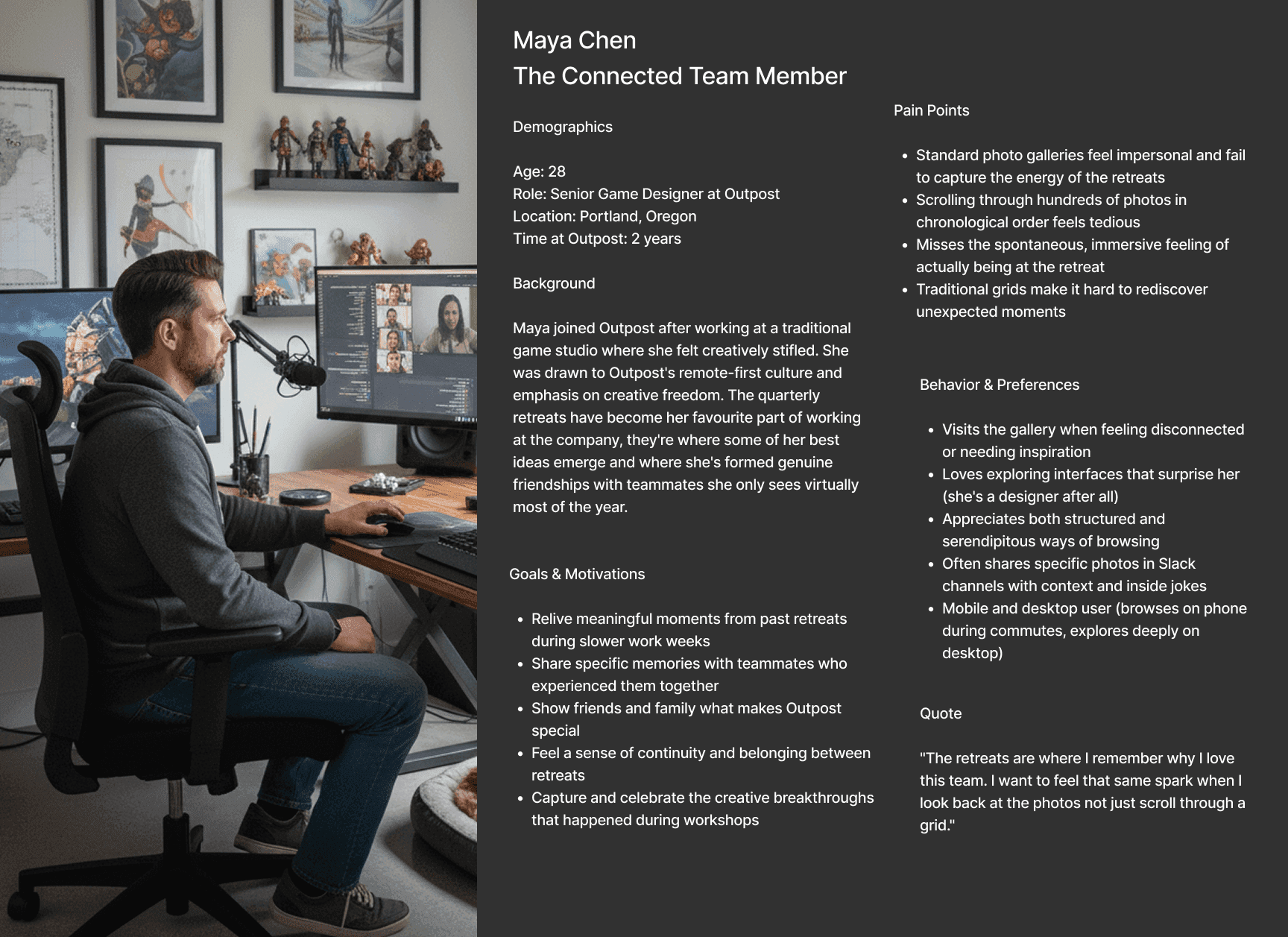
Maya Chen, the connected team member
- Age: 28
- Role: Senior Game Designer at Outpost
- Location: Portland, Oregon
- Time at Outpost: 2 years
Maya joined Outpost after working at a traditional game studio where she felt creatively stifled. She was drawn to Outpost’s remote-first culture and emphasis on creative freedom. The quarterly retreats have become her favourite part of working at the company; they’re where some of her best ideas emerge and where she’s formed genuine friendships with teammates she only sees virtually most of the year.
Goals and motivations
- Relive meaningful moments from past retreats during slower work weeks
- Share specific memories with teammates who experienced them together
- Show friends and family what makes Outpost special
- Feel a sense of continuity and belonging between retreats
- Capture and celebrate the creative breakthroughs that happened during workshops
Pain points
- Standard photo galleries feel impersonal and fail to capture the energy of the retreats
- Scrolling through hundreds of photos in chronological order feels tedious
- Misses the spontaneous, immersive feeling of actually being at the retreat
- Traditional grids make it hard to rediscover unexpected moments
Behaviour and preferences
- Visits the gallery when feeling disconnected or needing inspiration
- Loves exploring interfaces that surprise her (she’s a designer after all)
- Appreciates both structured and serendipitous ways of browsing
- Often shares specific photos in Slack channels with context and inside jokes
- Mobile and desktop user (browses on phone during commutes, explores deeply on desktop)
“The retreats are where I remember why I love this team. I want to feel that same spark when I look back at the photos, not just scroll through a grid.”
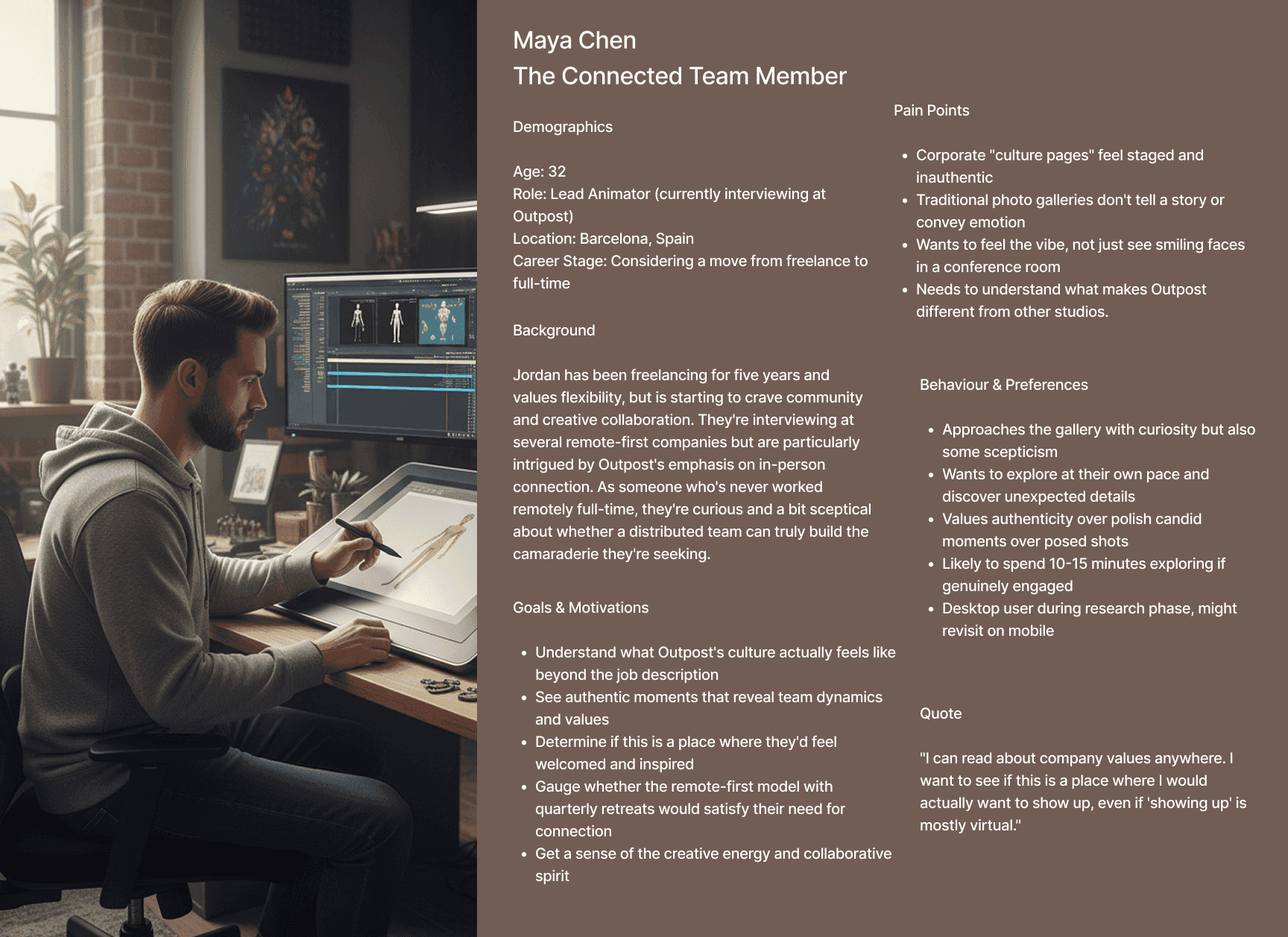
Jordan
- Age: 32
- Role: Lead Animator (currently interviewing at Outpost)
- Location: Barcelona, Spain
- Career stage: Considering a move from freelance to full-time
Jordan has been freelancing for five years and values flexibility, but is starting to crave community and creative collaboration. They’re interviewing at several remote-first companies but are particularly intrigued by Outpost’s emphasis on in-person connection. As someone who’s never worked remotely full-time, they’re curious and a bit sceptical about whether a distributed team can truly build the camaraderie they’re seeking.
Goals and motivations
- Understand what Outpost’s culture actually feels like beyond the job description
- See authentic moments that reveal team dynamics and values
- Determine if this is a place where they’d feel welcomed and inspired
- Gauge whether the remote-first model with quarterly retreats would satisfy their need for connection
- Get a sense of the creative energy and collaborative spirit
Pain points
- Corporate “culture pages” feel staged and inauthentic
- Traditional photo galleries don’t tell a story or convey emotion
- Wants to feel the vibe, not just see smiling faces in a conference room
- Needs to understand what makes Outpost different from other studios
Behaviour and preferences
- Approaches the gallery with curiosity but also some scepticism
- Wants to explore at their own pace and discover unexpected details
- Values authenticity over polish, candid moments over posed shots
- Likely to spend 10–15 minutes exploring if genuinely engaged
- Desktop user during research phase, might revisit on mobile
“I can read about company values anywhere. I want to see if this is a place where I would actually want to show up, even if ‘showing up’ is mostly virtual.”
Act III — Explorations
The concept
To make the gallery both visually engaging and intuitive to navigate, I introduced a Tri-view system: Relaxed View, Spatial View, and Grid View, each offering a distinct way to experience Outpost’s retreat memories.
The Relaxed View
This mode is designed for passive immersion. Images play in a gentle, uninterrupted sequence, focusing on one photo at a time. It requires minimal or no input from the user, allowing them to absorb each moment slowly, ideal for reflection, ambience, or storytelling without distraction.
The Spatial View
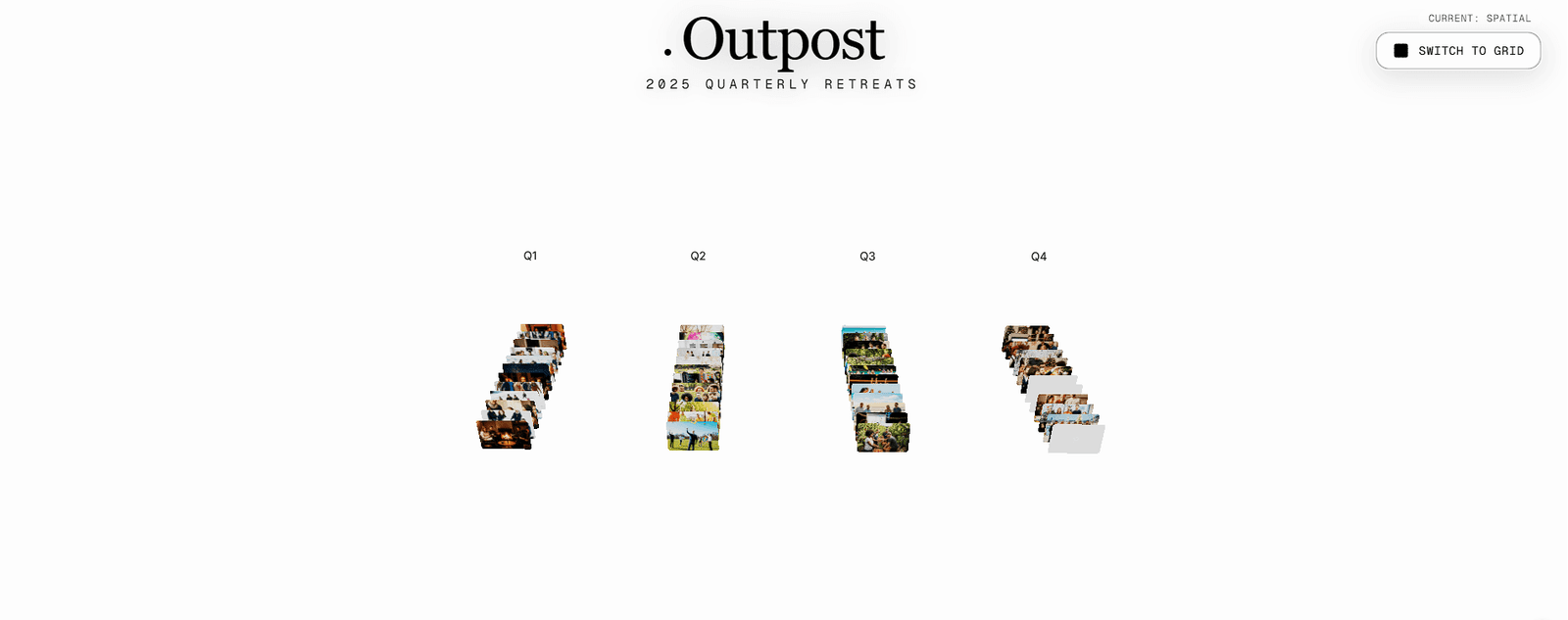
In this mode, images float freely in a 3D space unbound by traditional vertical or horizontal patterns. This dynamic layout reflects the fluid, decentralised nature of Outpost’s remote-first structure. By adding depth and dimensionality, the Spatial View invites users to explore retreat moments in an immersive, emotionally resonant way.
The Grid View
The Grid View includes a toggle to return to a more conventional 2D interface. However, rather than using a rigid grid, images are arranged on a flat canvas with no strict vertical or horizontal alignment. This layout maintains visual interest while providing a familiar frame of reference for quick browsing and documentation.
Act VI — Final
Design journey
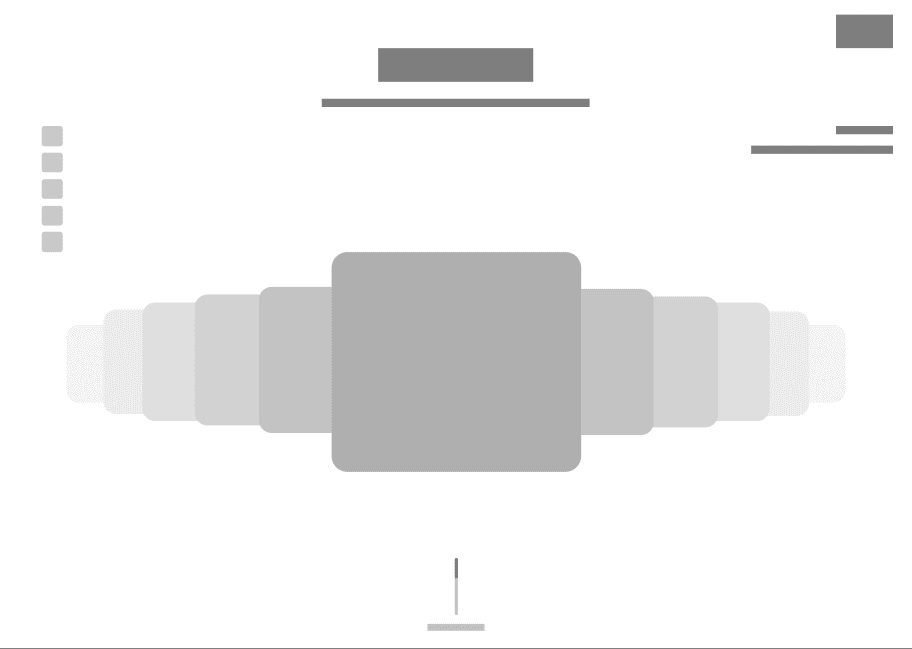
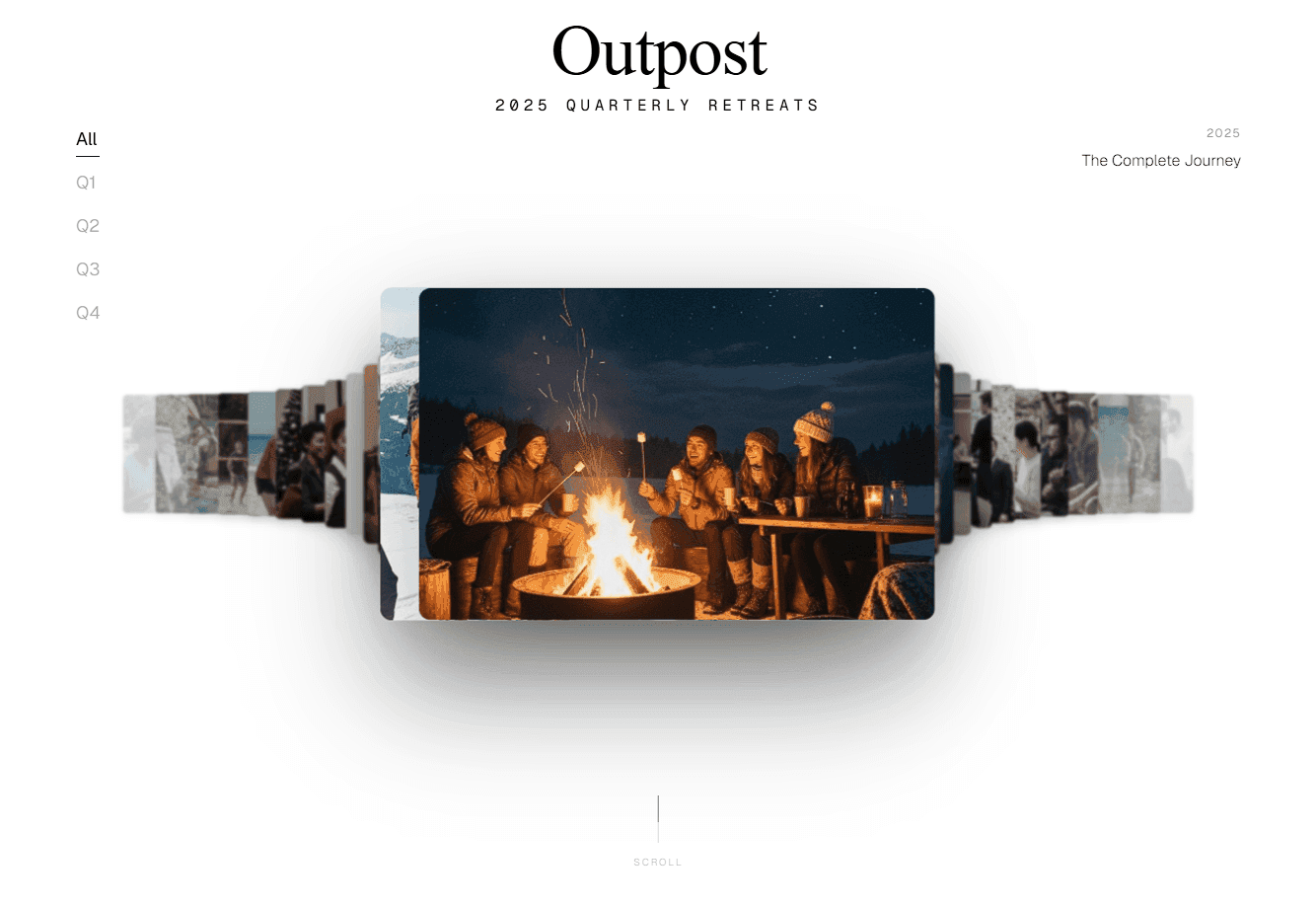
Each view began as a low-fidelity prototype in Figma, which then guided the AI toward the finished design.
Concept of the Relaxed mode
To capture the essence of Outpost’s past retreats, I approached the gallery concept through the lens of time, treating each moment as part of a living archive. I began by creating a low-fidelity prototype in Figma, using it as a structural guide to shape a more meaningful and emotionally resonant design. This time-based framework helped transform static memories into a dynamic storytelling experience.
Using a low-fidelity prototype from Figma combined with descriptive prompting:
Concept of the Grid View
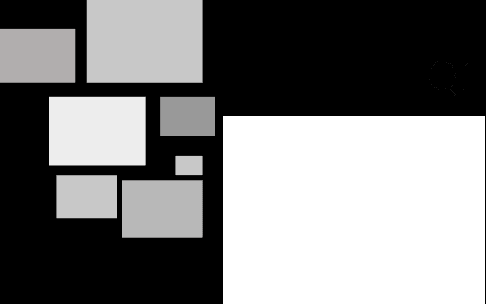
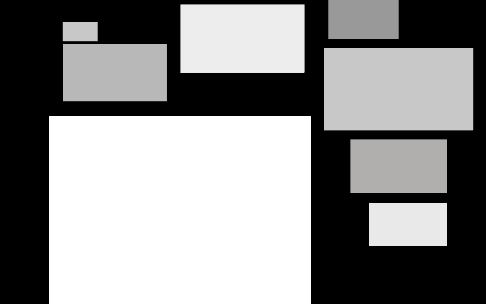
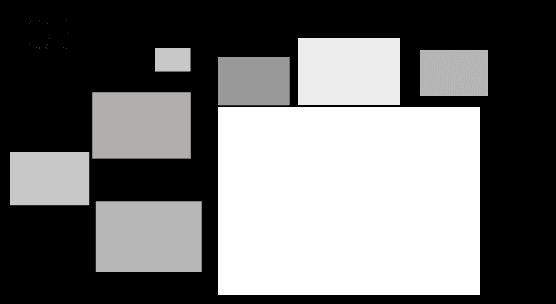
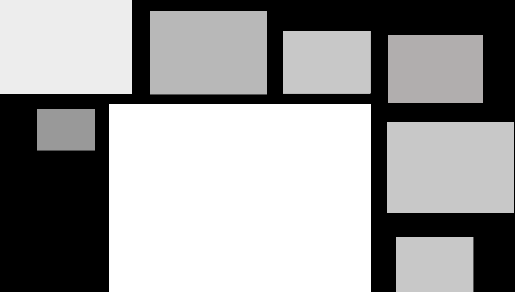
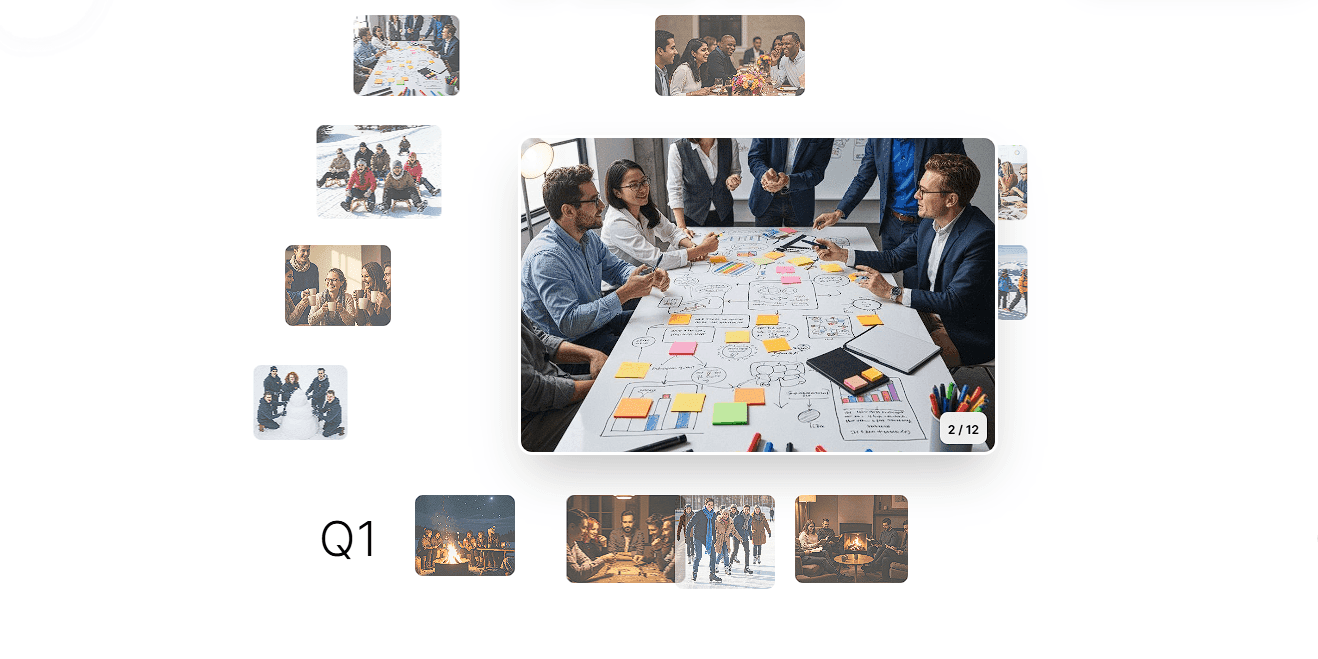
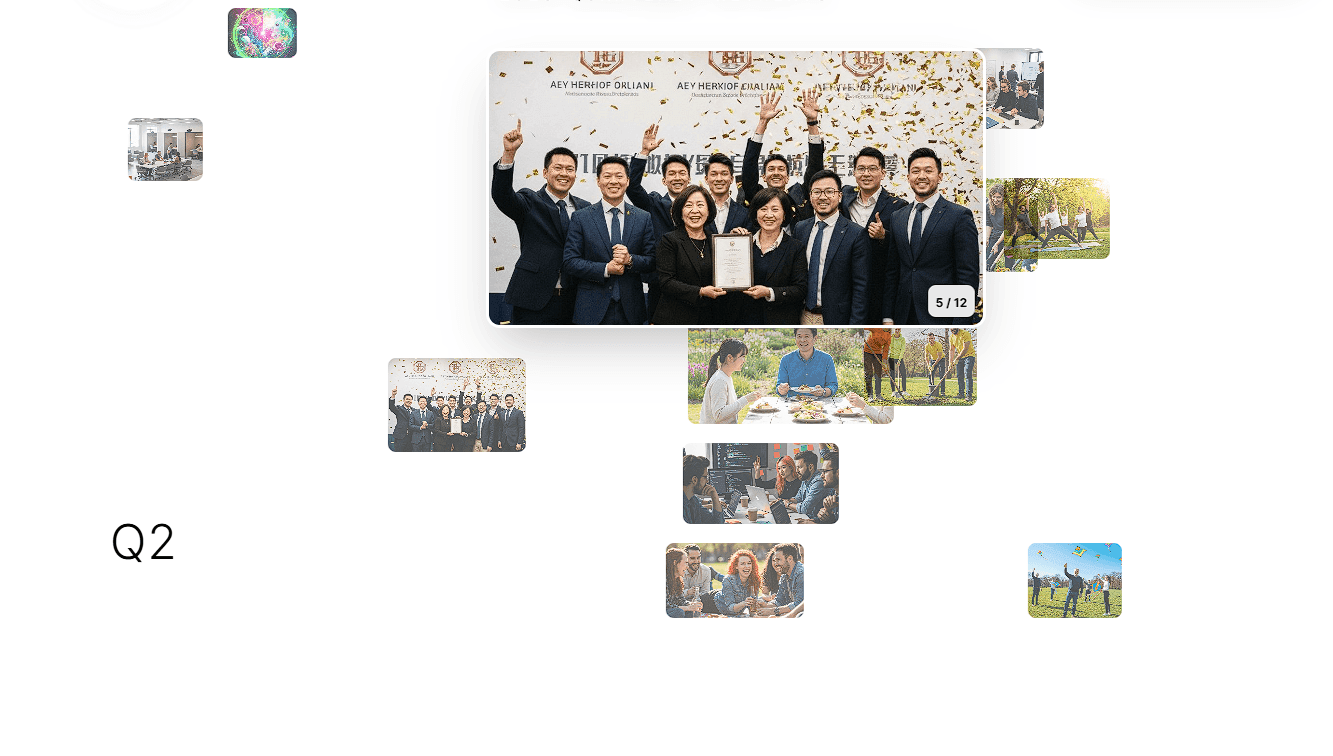
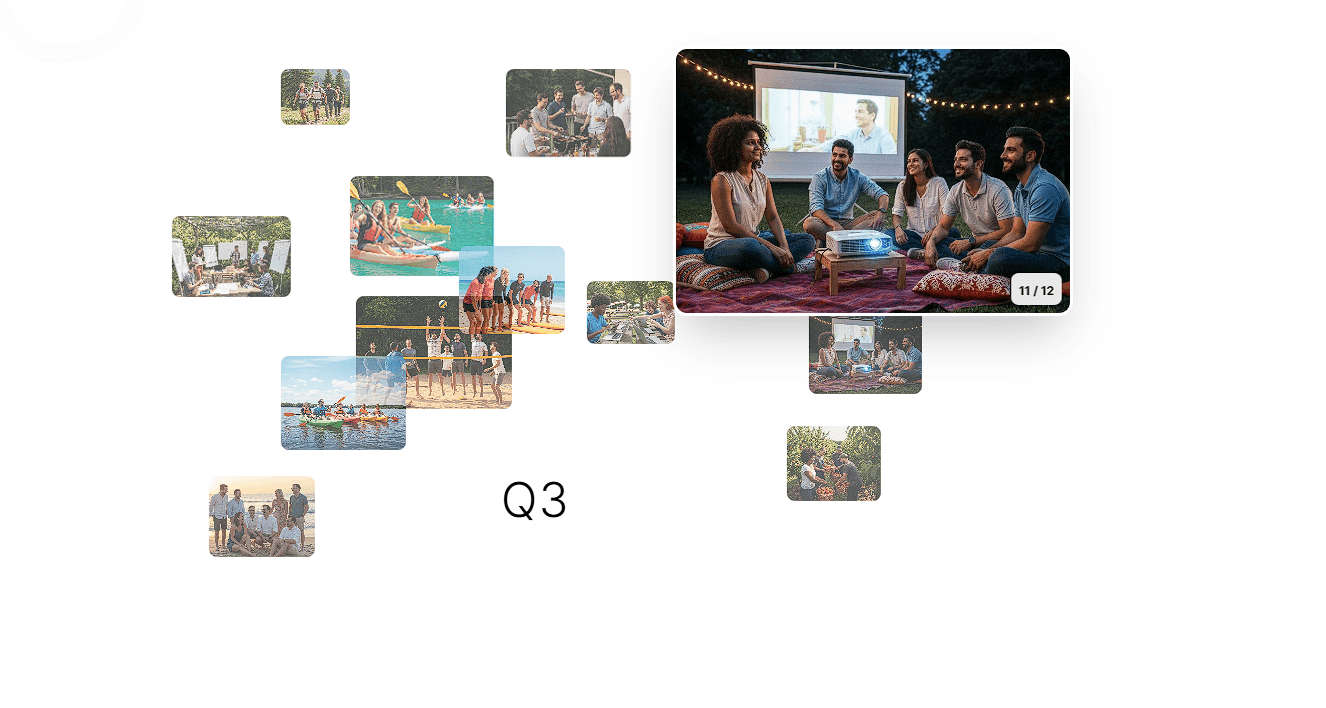
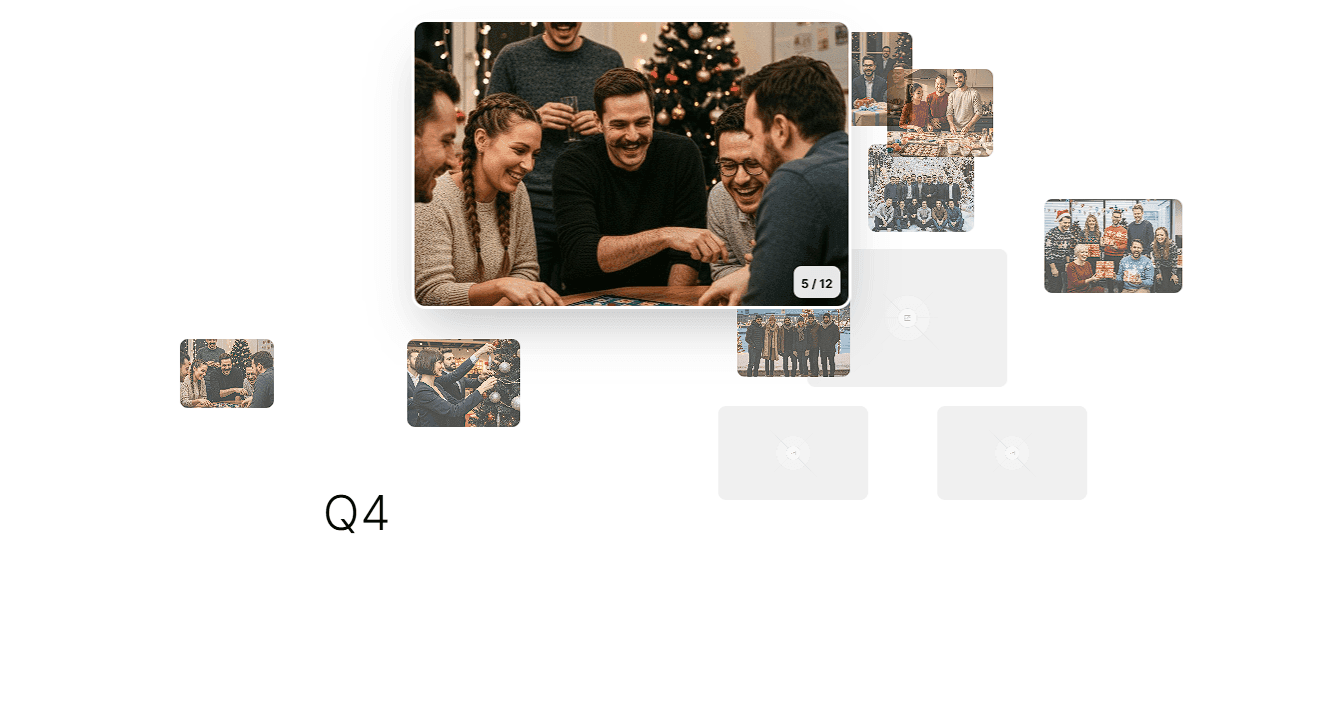
Staying true to the principle of avoiding strict vertical or horizontal alignment, the Grid View arranges images freely across a flat 2D canvas. Within this layout, I introduced an “uber image”, a focal visual element that autonomously cycles through all gallery images within its own quadrant. This creates a dynamic centrepiece that anchors the layout while maintaining the exploratory, non-linear spirit of the overall design.
Using Figma, I created a series of low-fidelity prototypes to guide the overall design direction. These early sketches helped establish the layout structure, interaction flow, and visual hierarchy, serving as a foundational blueprint for subsequent iterations.
Concept of the Spatial View
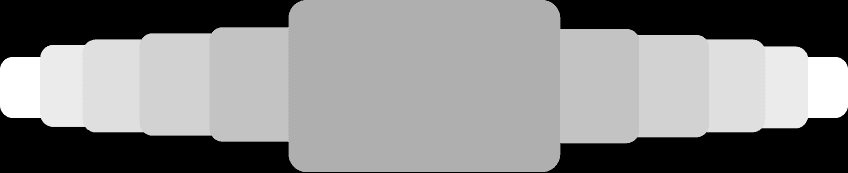
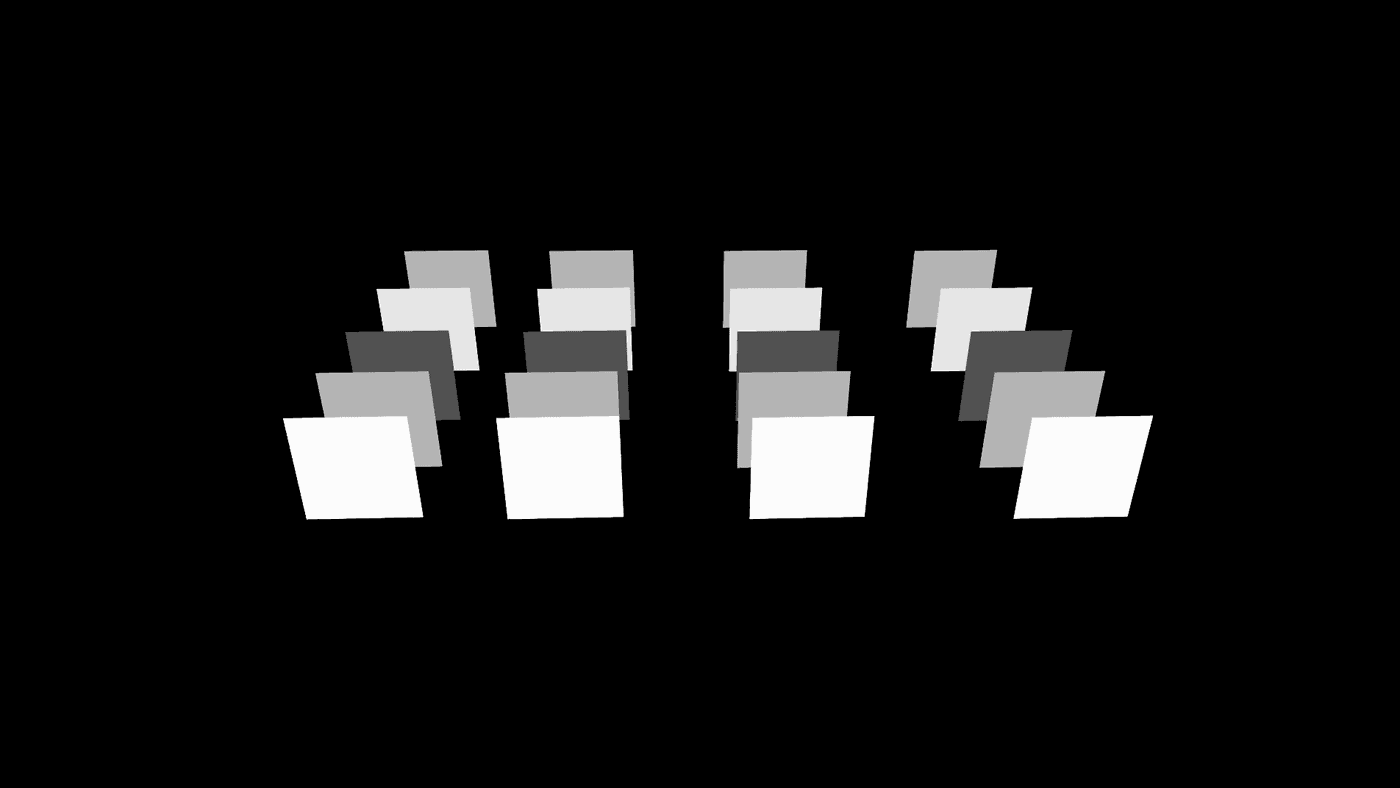
For the Spatial View, I drew inspiration from the structure of a file cabinet, arranging images in a linear row, as if stored in an invisible drawer and placed side by side. This layout introduces a subtle sense of depth and order, evoking the feeling of navigating through archived memories. The spatial arrangement not only enhances visual interest but also helps users intuitively explore the gallery, making the experience feel both familiar and immersive.
Act VII — Reflection
Final thought
I guided the AI by providing a series of low-fidelity Figma prototypes that served as structural references and helped translate abstract ideas into meaningful visual outcomes.
This collaboration between manual design and AI acceleration allowed for both creative control and technical precision.